Stem Cell Options for Painful Joints Near You
Explore Stem Cell Injections With Lipogems for Joint Pain
Living with an achy knee, hip, or shoulder can make you feel like you’re running out of options. If rest, medicine, and therapy haven’t been enough, you may have heard about stem cell injections. These injections use cells and tissue from your own body to support the area that hurts. At our practice, stem cell injections are done with Lipogems. This system takes a small sample of your own fat tissue and turns it into microfragmented fat, which is fat broken into very small pieces. That tissue can then be injected.
At DiCesare Orthopedic Medicine in Greensburg, Dr. Jacob DiCesare is an osteopathic physician. He earned his DO degree at the Lake Erie College of Osteopathic Medicine. He founded the practice in 2020 to offer non-surgical care for joint, tendon, and muscle pain. He’ll talk with you about what’s known about this treatment and what’s still being studied. If needles or procedures make you nervous, he listens to your concerns and takes the time to explain each step. Together you can decide if it fits your situation.
If you’d like to talk through whether this option fits your joint, request an appointment online. You can also call our front desk at (724) 261-4080. Same-day and same-week appointments are available.
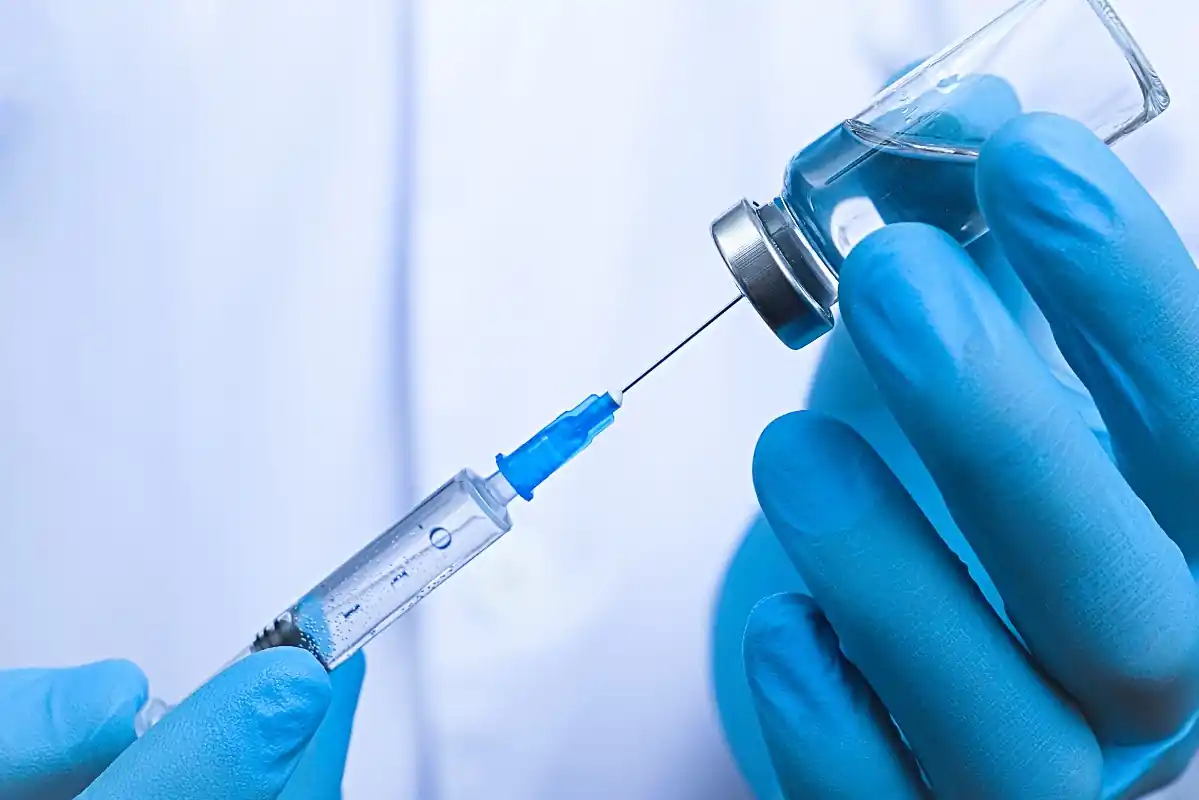
Know the Facts Before You Decide
What to Know About Lipogems Stem Cell Injections
Who May Be a Candidate for Stem Cell Injections
Stem cell injections may be worth discussing if joint pain hasn’t eased with other care. Most people who ask about this option already know they have a painful joint. Often it’s osteoarthritis, the wear-and-tear type of arthritis. Arthritis is common. A Centers for Disease Control and Prevention (CDC) report on arthritis in the United States(opens in a new tab)(opens in a new tab) found that 53.2 million adults, about 21 percent, had diagnosed arthritis in 2019 to 2021.
Some people also explore this option for a tendon or ligament injury that hasn’t healed well. You may be a candidate if you’ve tried steps like rest, activity changes, medicine, or therapy. Your pain should still limit what you do. You may need to wait if you have an infection or a fever. A health condition or a medicine, such as a blood thinner, can also make an injection less safe. Your provider will review your history and decide with you.
Your visit may include musculoskeletal ultrasound to pinpoint the source of pain. Pain may come from osteoarthritis and arthritis, a sprain or strain, or a work related injury.
Bring these to your visit:
- A list of your medicines and supplements
- Any imaging reports or disks
- Notes on past treatments
What Happens Before, During, and After Your Lipogems Visit
Your provider explains each step at your visit, so you know what to expect before anything begins. In general, the process has three stages.
- Before your visit: You’ll have an exam that covers your health history, past injuries, and goals. The American Academy of Orthopaedic Surgeons guide to your first orthopedic visit(opens in a new tab)(opens in a new tab) suggests bringing medicine lists, imaging records, and notes about past treatments. We’ll talk through the benefits, the risks, and other options. If needles or procedures make you nervous, tell us then.
- Day of your treatment: A small sample of your own fat tissue is collected. It’s processed with the Lipogems system into microfragmented fat. That tissue is then injected into the painful joint or injured area, often with ultrasound to guide placement. Your provider walks you through each step as it happens.
- After your treatment: You’ll leave with clear instructions for caring for the treated area. They cover activities to avoid and signs that mean you should call us. Your provider will tell you whether and when to follow up.
Stem cell injections are one of several injection choices. To compare them, see our page on regenerative medicine and injections.
Recovery and Aftercare After Stem Cell Injections
Recovery looks different for each person, so follow the instructions your provider gives you. Soreness, swelling, or bruising at the treated area can happen after any injection. These effects often settle down on their own. Your provider will tell you how to care for the area, which activities to avoid, and when you can return to your normal routine.
Healing takes time, and results vary. Some people notice changes gradually over the weeks after treatment. Others notice little change. We don’t promise a timeline or a result, because joints, health, and activity levels differ so much. Your provider may suggest changes to your activity or an exercise plan to support the joint as it settles.
Call our office if you develop increasing pain, swelling that gets worse, warmth or redness around the area, or a fever. These can be signs of an infection or another problem that needs prompt attention. If your symptoms are severe, go to urgent care or an emergency room. If this option doesn’t help enough, your provider can talk through other choices.
Risks, Safety, and What the Food and Drug Administration Says
Like any injection, stem cell injections carry a small risk of pain, bleeding, infection, or an irritated joint. Results also vary, and some people don’t get the relief they hoped for.
The Food and Drug Administration (FDA) asks patients to be well informed. Its consumer guidance on regenerative medicine therapies(opens in a new tab)(opens in a new tab) says the only stem cell products it has approved are blood-forming cells from cord blood. They are used for blood disorders. The agency says regenerative medicine therapies aren’t approved for orthopedic conditions such as osteoarthritis or back pain. It encourages people to ask questions before treatment.
That’s why we explain what’s known, what’s still being studied, and what to expect. You can also ask how this option compares with established choices such as corticosteroid injections or viscosupplementation.
Cost and Coverage for Stem Cell Injections
Cost and insurance coverage for stem cell injections depend on your plan and the treatment itself, and coverage for regenerative treatments varies from plan to plan. It’s wise to ask before you decide. The total can also depend on the imaging you need and any follow-up visits.
Our team can answer questions about what to expect, and you can read about the plans we work with on our Insurance and Billing page. Call us at (724) 261-4080 to ask about cost and coverage for your situation.
Frequently Asked Questions
Are stem cell injections the same as Lipogems?
At our practice, yes. When we say stem cell injections, we mean treatment with Lipogems. The system processes a small sample of your own fat tissue into microfragmented fat. That tissue is injected into the area that hurts.
Are stem cell injections approved by the FDA for arthritis?
Not for osteoarthritis. The FDA says it hasn’t approved regenerative medicine therapies for orthopedic conditions such as osteoarthritis. A report from Orthopedics This Week(opens in a new tab)(opens in a new tab) described an FDA-approved study of fat tissue for knee osteoarthritis. It compared the fat tissue with corticosteroid injections. As of that 2022 report, no results had been shared. The company behind Lipogems says its device received 510(k) clearance in 2014. That is a type of FDA review for medical devices. The company also calls the study a step toward a premarket approval pathway for knee osteoarthritis.
Which conditions do you treat with stem cell injections?
Most people who ask about this option have joint pain from osteoarthritis and arthritis. Others have a tendon or ligament problem, such as a sprain or strain that hasn’t healed well, or an injury from the job. Your exam helps us decide whether this option makes sense for you.
How long do the results of stem cell injections last?
Results vary from person to person, and we can’t promise how long they will last or whether you’ll notice a change. Your provider will explain what to expect for your joint and whether follow-up visits make sense.
How is this different from PRP therapy or hyaluronic acid injections?
Each option works in a different way. PRP therapy uses concentrated platelets from your own blood. Stem cell injections with Lipogems use your own fat tissue. Hyaluronic acid injections add a gel-like cushion to the joint, and corticosteroid injections calm inflammation. Your provider can help you compare them for your pain.
Who performs the injections, and what happens at the first visit?
Dr. Jacob DiCesare evaluates you first, with a review of your history and a hands-on exam. If an injection makes sense, he explains each step, the risks, and the other options before you decide. If needles or procedures make you nervous, tell him at that first visit. He listens to your concerns and talks you through what to expect.
How do I schedule a stem cell injection consultation near me?
To set up a stem cell injection consultation, request an appointment online or call our front desk at (724) 261-4080. Same-day and same-week visits are available. We look forward to meeting you.
Schedule Your Stem Cell Injection Consultation
Expertise You Can Trust, Compassion You Deserve