Healing Support From Your Own Blood Near You
Support Healing in Painful Joints and Tendons With Platelet-Rich Plasma (PRP) Therapy
A stubborn tendon, an achy knee, or a sports injury that’s slow to heal can leave you wanting options beyond rest and pain pills. Platelet-rich plasma (PRP) therapy is one non-surgical choice. It starts with a small sample of your own blood. The blood is spun to concentrate the platelets, which are tiny cell fragments that carry proteins involved in healing. That concentrate is then injected into the injured area. It’s used for problems like tendinitis and bursitis, knee osteoarthritis and arthritis, and some sports injuries.
At DiCesare Orthopedic Medicine in Greensburg, Dr. Jacob DiCesare offers PRP therapy as part of a non-surgical plan. He completed a sports medicine fellowship with Allegheny Health Network, and he uses ultrasound to guide injections. If needles or blood draws make you nervous, he listens to your concerns and takes the time to keep things calm and gentle.
To find out whether PRP fits your injury, request an appointment online. You can also call our front desk at (724) 261-4080 with questions about PRP. Same-day and same-week appointments are available.
Learn Where PRP Has the Strongest Support
How PRP Therapy Works and Who It May Help
Who May Be a Good Candidate for PRP Therapy
PRP may not be right for every injury, and research is still growing for some uses. Tell us about any blood-thinning medicines or health conditions, since they can affect whether an injection is a good idea.
If an exam shows a complete tear that needs surgery, we’ll refer you to an orthopedic surgeon. We’ll tell you plainly whether PRP makes sense for your injury. If it doesn’t, we can talk about options such as prolotherapy or stem cell injections with Lipogems.
PRP is most often considered for:
- Chronic tendon problems, such as tennis elbow and long-lasting Achilles or kneecap tendon pain
- Knee arthritis that’s mild to moderate
- Some soft tissue injuries, including sprains and strains and work related injuries
What Happens During a PRP Visit
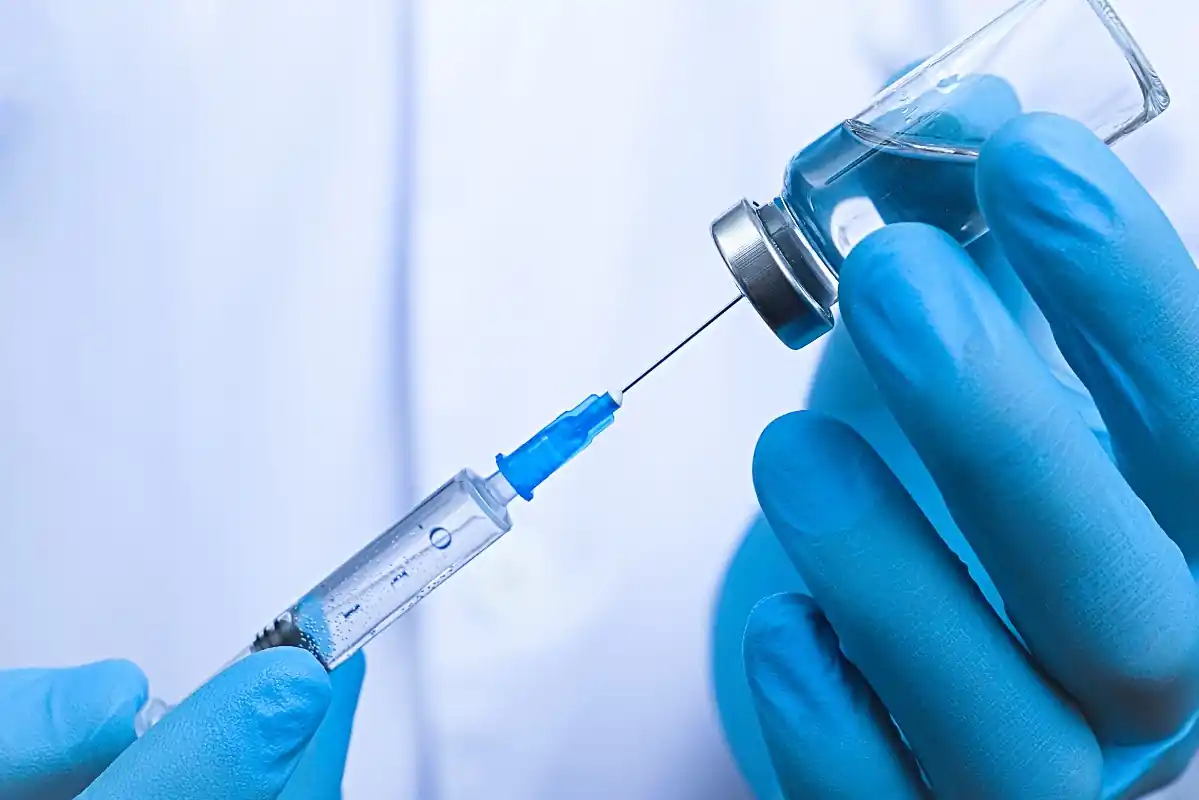
Your visit starts with an exam and a talk about your symptoms. We go over your medical history, past injuries, lifestyle, occupation, and health goals. It helps to bring a list of your medicines and past treatments. If PRP fits, a small amount of blood is drawn, much like a routine blood test. The blood is then spun in a machine to separate and concentrate the platelets. The concentrate is injected into the injured area. PRP is a non-surgical, minimally invasive treatment.
We use musculoskeletal ultrasound to guide injections, so the PRP is placed in the tissue that needs it. Before any injection, we confirm the exact area to treat based on your exam and imaging. Your plan can also include at-home tips and other treatments that work alongside PRP. We’ll explain each step before it happens, and you can ask questions along the way.
PRP involves a blood draw and an injection, so it’s common to feel uneasy about the needles. Tell us how you feel. Dr. DiCesare takes the time to listen and to put you at ease. A patient shared this about an injection visit:
“Injections are never a pleasant experience; however, I was pleasantly surprised when I didn’t even flinch due to Dr. DiCesare’s expertise!”
Recovery and What to Expect Afterward
It can take several weeks before you notice a change with PRP, so give the treatment time before you judge it. Every injury is different, so healing time varies from person to person.
We’ll talk with you about activity in the days and weeks after your injection, based on the area treated and what you do for work or sport. If you have a physically demanding job or sport, tell us so we can plan around it. Keep following that guidance, and let us know how your injury is feeling as time goes on. Call us if pain or swelling seems to be getting worse instead of better.
Several weeks
How long it can take to notice a change after PRP, so give the treatment time before you judge it.
Cost and Coverage Questions
Coverage for PRP is limited, so check with your plan before you book. We accept most major insurance plans, including Medicare and Medicaid, but that doesn’t tell you whether your plan covers PRP itself. Our team can talk through what to expect, and you can call our front desk at (724) 261-4080 with cost questions. The plans we work with are listed on our Insurance and Billing page.
Frequently Asked Questions
Does insurance cover PRP therapy?
Often, it doesn’t. The American Academy of Orthopaedic Surgeons(opens in a new tab)(opens in a new tab) says few insurance plans cover PRP, even in part, and that includes workers’ compensation. Check your coverage before you book. Our team can talk through your options, and you can reach our front desk at (724) 261-4080.
What will I feel after a PRP injection?
Pain at the injection site may rise for a week or two before it settles, according to the American Academy of Orthopaedic Surgeons(opens in a new tab)(opens in a new tab). It can take several weeks to feel a benefit. We’ll tell you what to watch for and when to call us.
What if I’m afraid of needles before PRP therapy?
Many people feel uneasy about needles, and you can tell us at any point. PRP starts with a blood draw, much like a routine blood test, and then an injection. Dr. DiCesare listens to your concerns, explains each step, and talks you through the visit as it happens.
How is PRP different from prolotherapy and stem cell injections?
PRP uses concentrated platelets from your own blood. Prolotherapy uses a dextrose, or sugar, solution to prompt the body’s repair response. Stem cell injections with Lipogems use a small sample of your own fat tissue. Dr. Jacob DiCesare can explain which option may fit your injury.
How do I schedule PRP therapy near me?
To ask about PRP therapy, request an appointment online or call our front desk at (724) 261-4080. Same-day and same-week appointments are available, and our team is happy to help you find a time.
Schedule Your PRP Therapy Consultation
Expertise You Can Trust, Compassion You Deserve