Non-Invasive Tendon Pain Care Near You
Ease Stubborn Tendon Pain With Shockwave Therapy
Tendon pain that lingers for months can wear you down. Rest, stretching, and home care help some people, but pain in the heel, elbow, or shoulder can hang on. Extracorporeal shockwave therapy (ESWT) is a non-invasive option. “Extracorporeal” means the treatment happens outside the body, so sound waves reach the sore tendon through your skin, with no incisions and no anesthesia.
At DiCesare Orthopedic Medicine in Greensburg, Dr. Jacob DiCesare, a sports medicine physician, offers ESWT in our office with the CuraMedix Extracorporeal Pulse Activation Technology (EPAT) device. He starts with an exam to confirm which tendon or tissue is causing your pain, so treatment is aimed where it’s needed.
If home care hasn’t settled your tendon pain, you can request an appointment online or call our front desk at (724) 261-4080. Appointments are available the same day or the same week.
See How Shockwave Therapy Works
How Shockwave Therapy Works and What to Expect
Who May Benefit From Shockwave Therapy
Shockwave therapy is most often used for tendon and soft tissue pain that has lasted a long time or hasn’t improved with earlier care. You can read more about these problems on our pages for tendinitis and bursitis and sports injuries.
It isn’t right for everyone. At your exam, we review your health history to decide whether shockwave therapy fits you or another non-surgical option makes more sense.
In our office, we use it for:
- Plantar fasciitis (heel pain)
- Achilles tendinitis
- Tennis elbow and golfer’s elbow
- Calcific tendinitis
- Rotator cuff injuries
- Patellar tendinitis and quad tendinitis
- Trochanteric bursitis (hip pain)
What Happens During a Shockwave Session
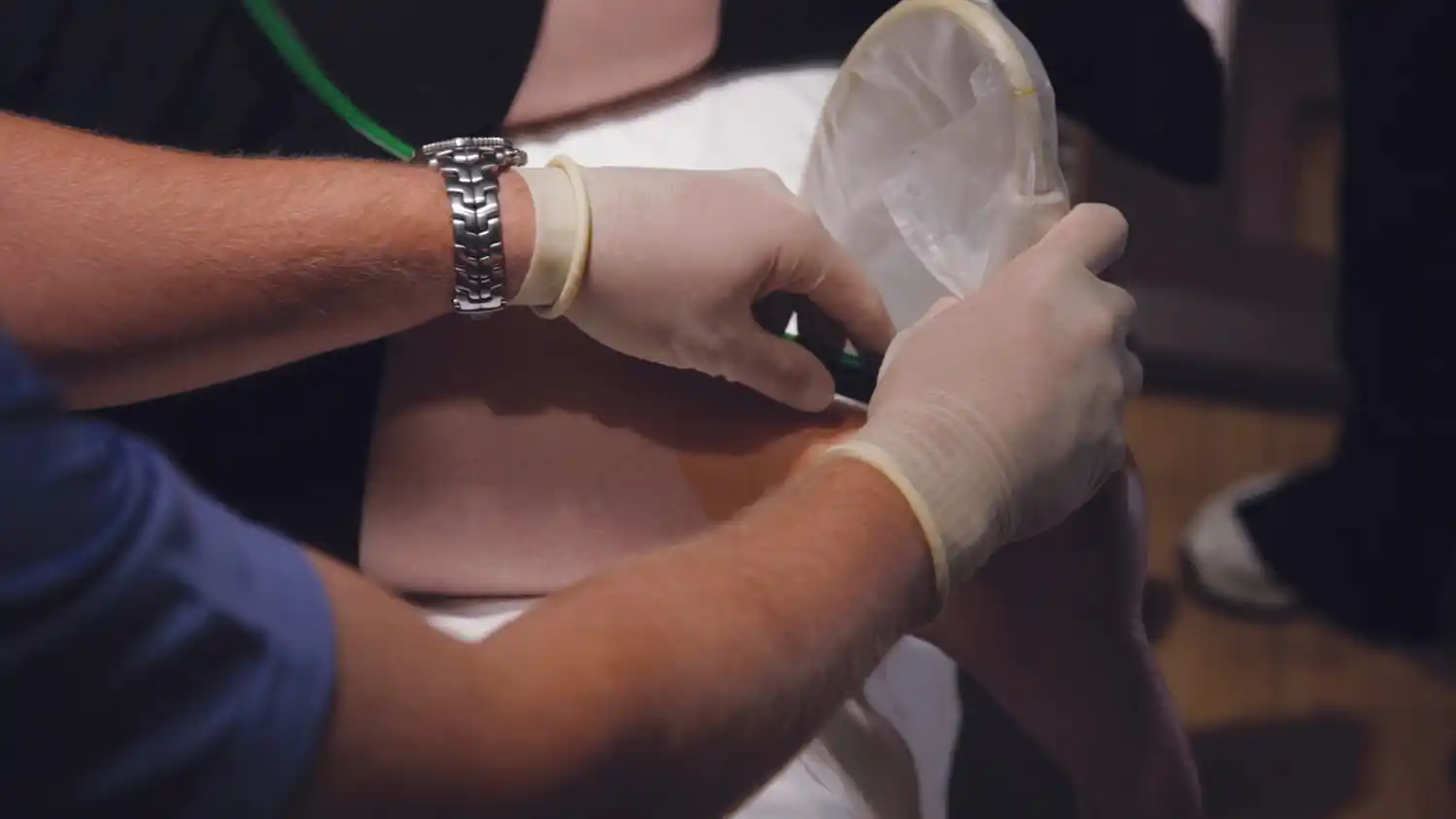
We place a coupling gel on the sore area, then move the applicator in a circular motion over it. The applicator releases pressure waves into the tissue. The waves are meant to boost blood flow and cell activity in the sore area to help it heal. You’ll feel pulses and some pressure, and we can adjust the intensity. Each session takes about 5 to 10 minutes and happens in the office, with no anesthesia. Most people need a series of weekly sessions, usually at least three, and Dr. DiCesare adjusts the plan to how you respond.
Safety Points to Share Before Treatment
Shockwave therapy’s safety and effectiveness haven’t been established for people with cancer or with deep vein thrombosis, which is a blood clot in a deep vein. Tell us if either applies to you. Share your full health history and your medications too. We’ll let you know if any other condition affects whether shockwave therapy is a good choice, and we’ll talk through other non-surgical options if it isn’t.
Recovery and Activity After Treatment
You can put weight on the treated area right away and walk out on your own. Most people return to work and normal activities within 24 to 48 hours, and we suggest avoiding strenuous activity for about four weeks.
Some people notice relief right away, while for others it takes up to four weeks to begin. A little discomfort in the treated area for a few days is possible. We give you clear instructions for the weeks after treatment.
24 to 48 hours
The window in which most people return to work and normal activities after treatment.
What Mayo Clinic Says About Shockwave Therapy
The Mayo Clinic Orthopedics and Sports Medicine overview of shockwave therapy(opens in a new tab)(opens in a new tab) describes a non-invasive treatment. It uses focused sound waves to create tiny, controlled areas of stress in a tendon. The idea is to restart the body’s healing response. Mayo notes that it’s offered for long-lasting tendon problems and for people who haven’t improved with other treatments. It also says studies show it can reduce pain and improve function.
Frequently Asked Questions
What are the side effects of shockwave therapy?
Side effects are usually mild. Mayo Clinic(opens in a new tab)(opens in a new tab) lists possible bruising, swelling, pain, and numbness or tingling in the treated area. Here, patients can expect minor discomfort that may last a few days. If anything feels off after a session, call our team.
Does insurance cover shockwave therapy?
Coverage depends on your plan and the condition being treated, so it’s best to ask our team before you begin. We accept most major insurance plans, and our Insurance and Billing page lists the ones we work with. You can also call us at (724) 261-4080 with questions.
How is shockwave therapy different from a steroid injection?
Shockwave therapy uses no needles and no medicine. It delivers sound waves through the skin to prompt the tendon’s own healing response. A corticosteroid injection places an anti-inflammatory medicine near the sore area with a needle. We can help you choose between them, or use one after the other.
How many shockwave treatments will I need?
Most people need a series of weekly sessions, often three or more. The right number depends on your condition and how your tendon responds. Dr. Jacob DiCesare checks your progress along the way and adjusts the plan with you.
How do I schedule shockwave therapy near me?
You can request a shockwave therapy appointment online, and same-day and same-week visits are available. Prefer to talk it through first? Call our front desk at (724) 261-4080 and we’ll set up a time.
Schedule Your Shockwave Therapy Visit
Expertise You Can Trust, Compassion You Deserve